
Top-heavy

“Long Angle's 2026 High Net Worth Asset Allocation Report reveals that 94% of high net worth investors now allocate to private and alternative assets, effectively eliminating the distinction between "core" and "alternative" holdings. The fifth annual benchmark study, surveying 233 investors with an average net worth of $17.3M, finds that private markets command 28% of total net worth and 31% of investable portfolios (excluding home equity).”
“Private company equity alone represents 12% of average net worth, exceeding the combined allocation to bonds and cash. For the wealthiest respondents (those above $25M), private and alternative allocations reach 34%, driven by a tripling in private company equity concentration compared to the $2M to $10M bracket. The 60/40 portfolio has not evolved. It has been replaced.”
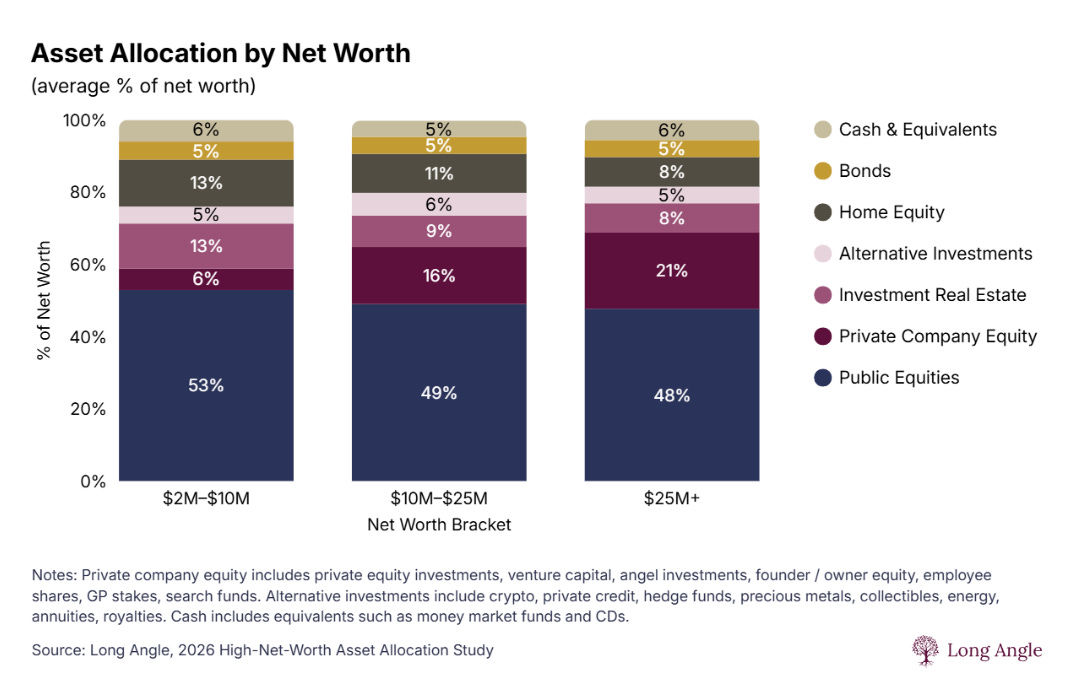
The wealthy have substantial allocations to both public and private equity, often in the 59-69% range. In May, Fitch reported a blended U.S. private credit default rate of 6.0% — a record.
Should defaults continue rising through the rest of the year, private credit loans would likely face widespread markdowns, dragging down fund NAVs.
This would trigger higher redemption requests, prompt banks to tighten or withdraw credit lines, and force many funds into liquidity squeezes. Increased selling, realized losses spreading to banks, insurers, pensions, and high-net-worth portfolios, accelerating defaults, slowing economic growth, etc.
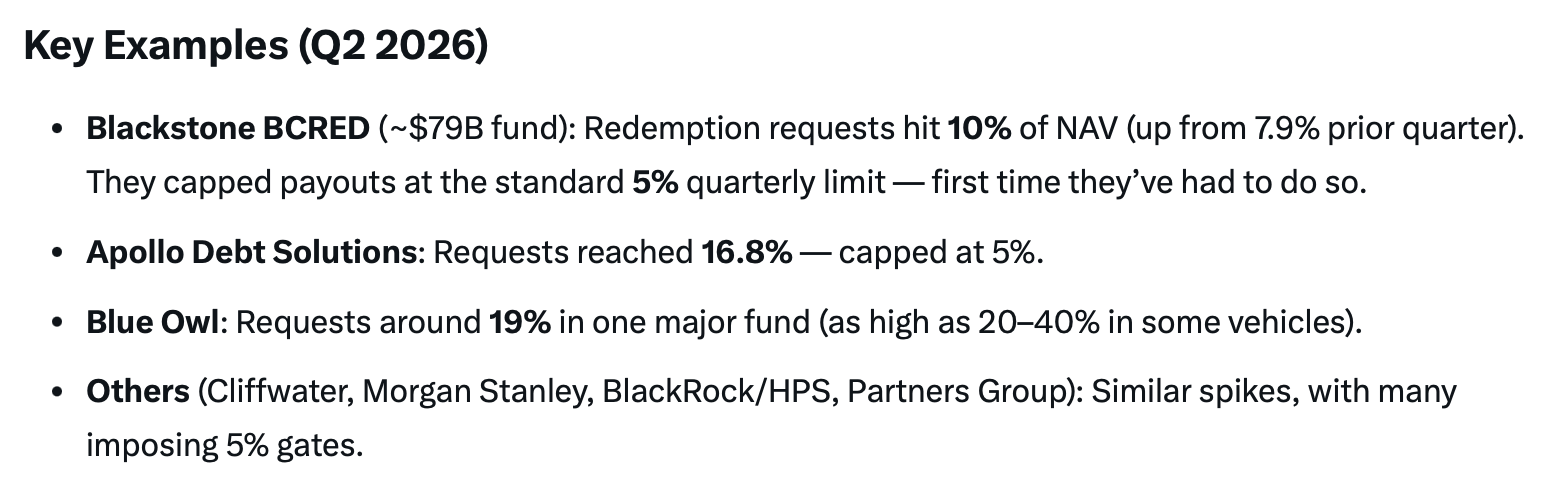
Some of this has started to surface.
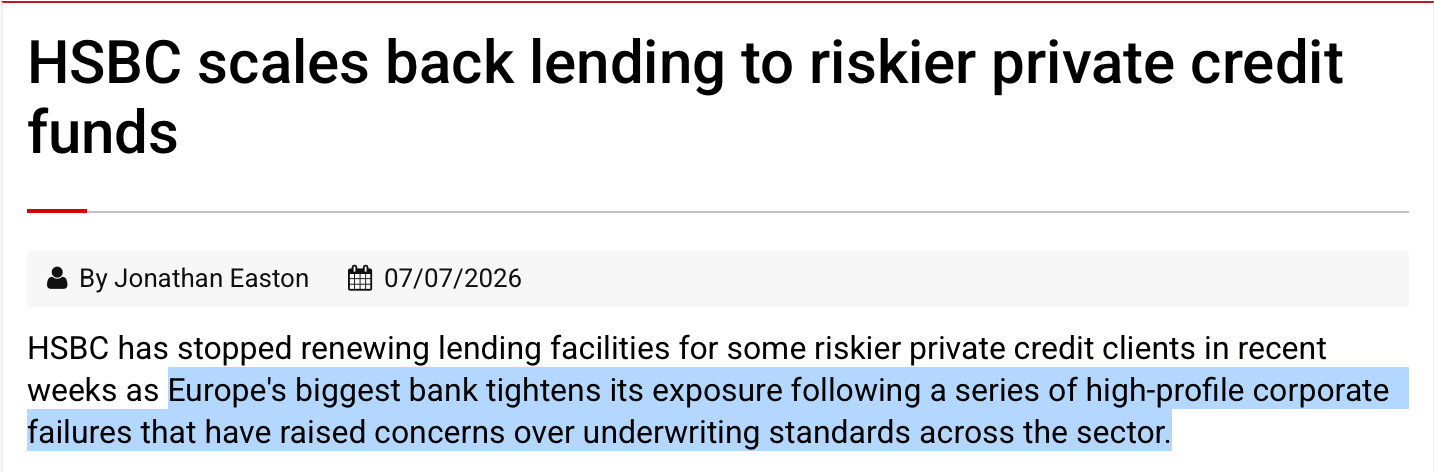
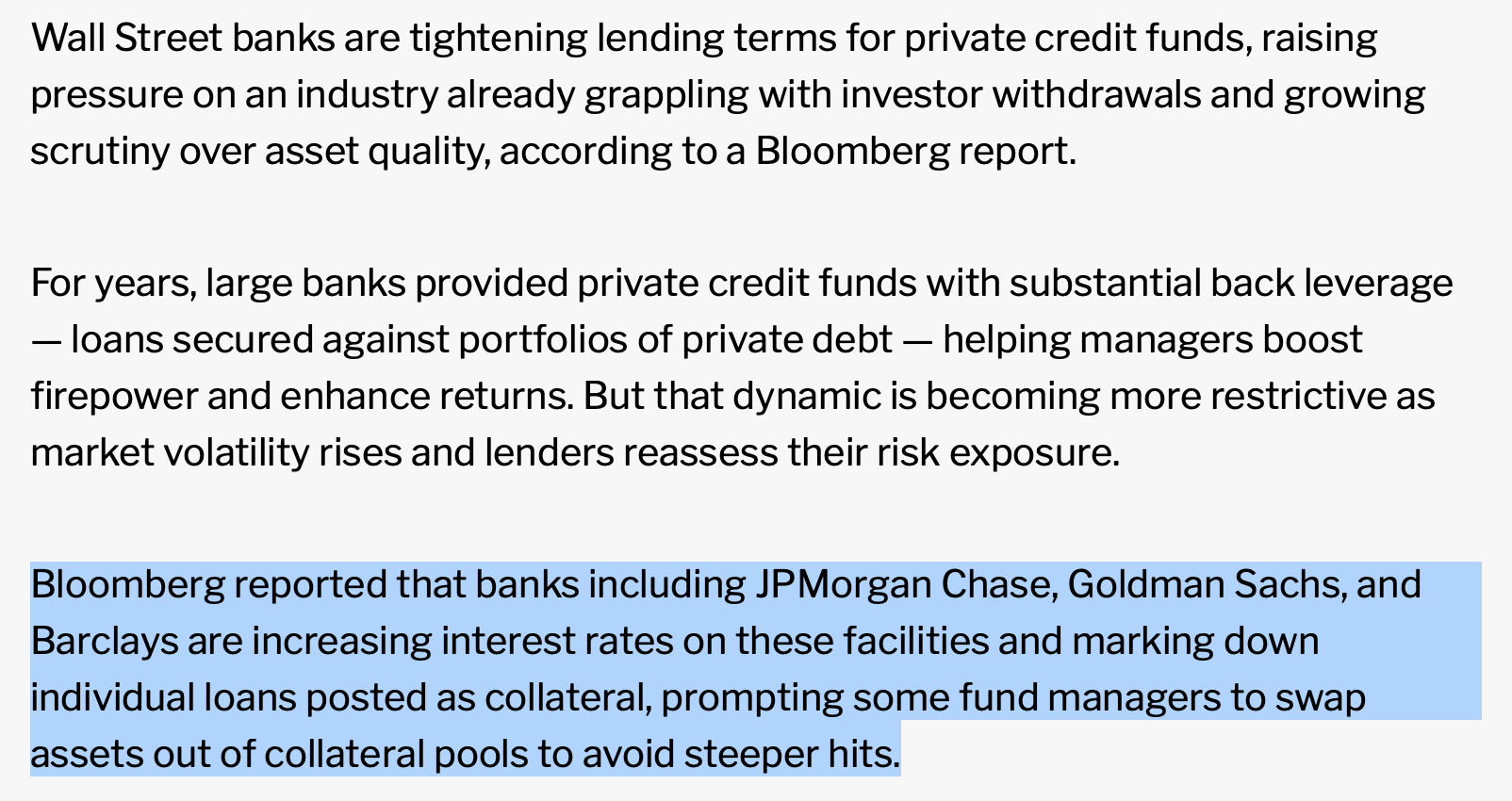
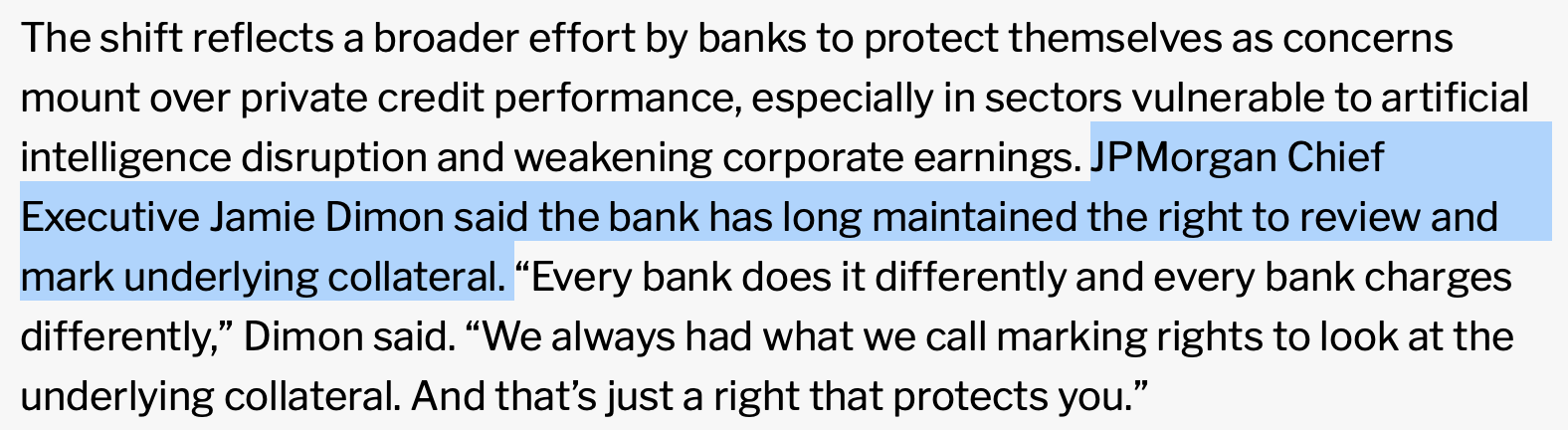
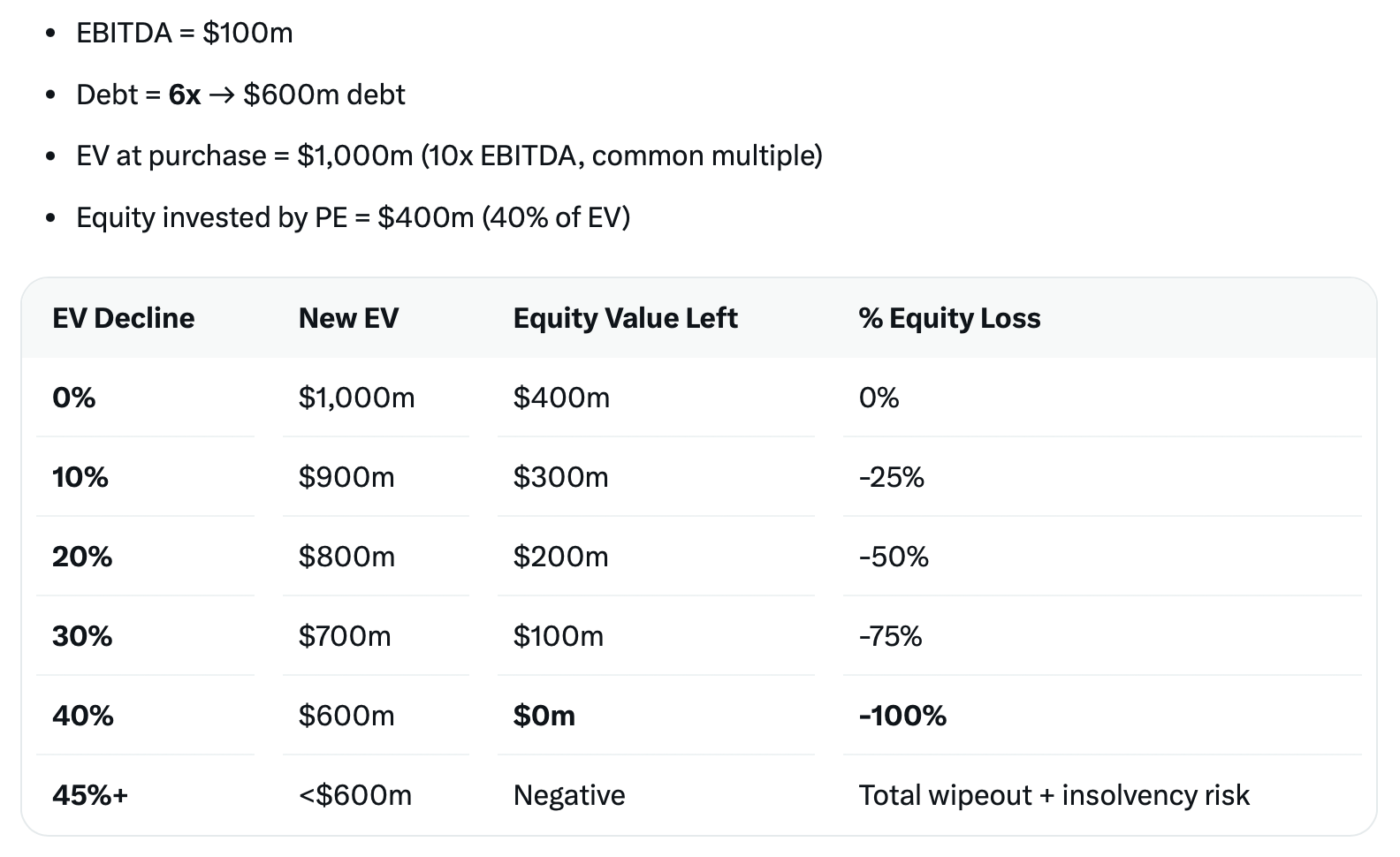
Private equity, which accounts for 12% of HNW portfolios, is positioned to feel the pain early and directly from this stress. Their companies are highly leveraged, carrying debt/EBITDA ratios of 5-7x on average. Assume a company with…
Unlike private credit, private equity funds are not semi-liquid. Investor cash is locked up for about a decade. To raise cash, the wealthy will likely sell stocks while stock ownership concentration is at an all-time high.
The wealthiest 0.1% of U.S households own 24% of the stock market. That is approximately 134,000 households holding $16.8 trillion in equities. The top 1% own 50% — 1.3 million households holding $35 trillion in equities. The top 10% own 90% — 13.3 million households holding $63 trillion in equities.…
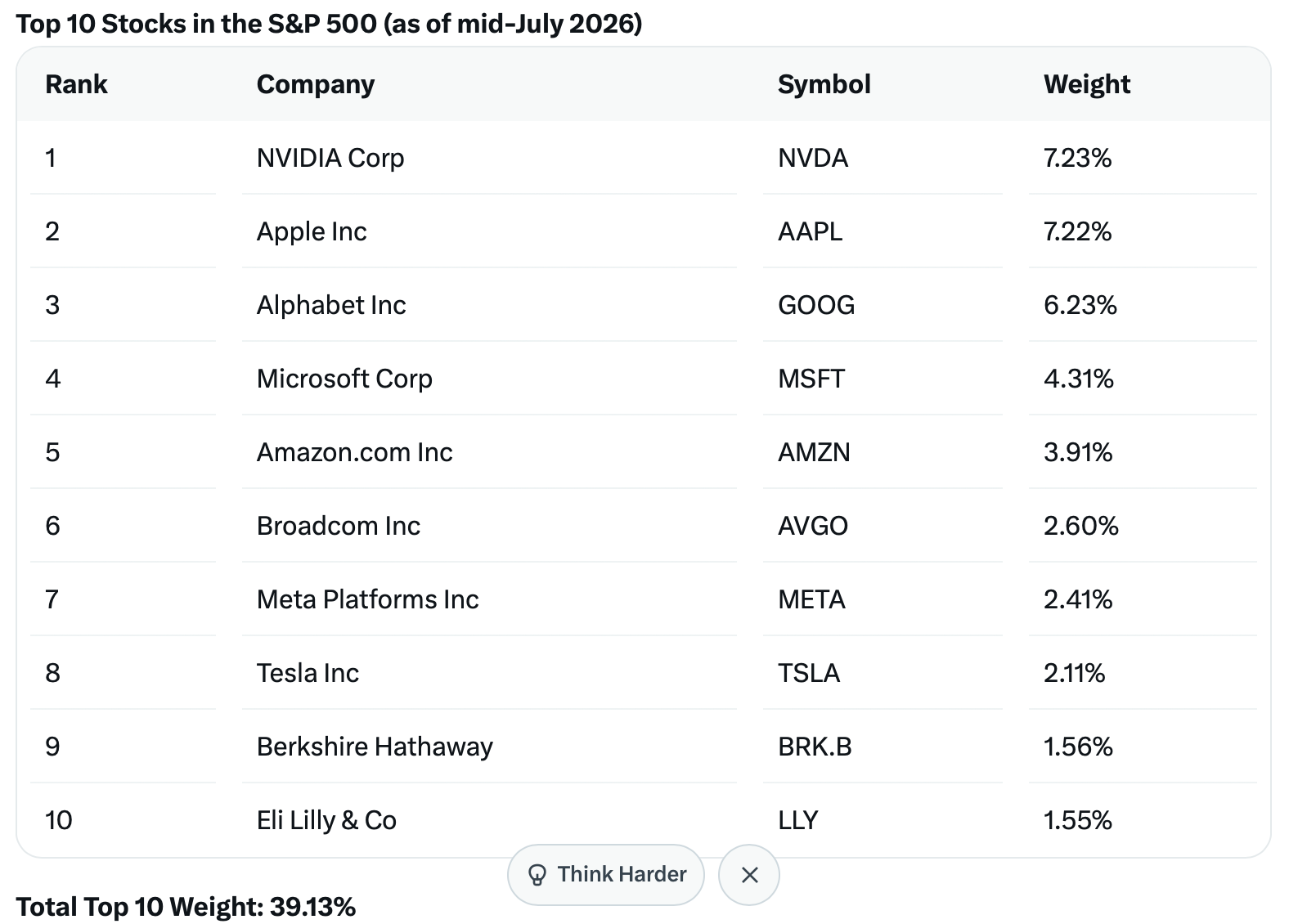
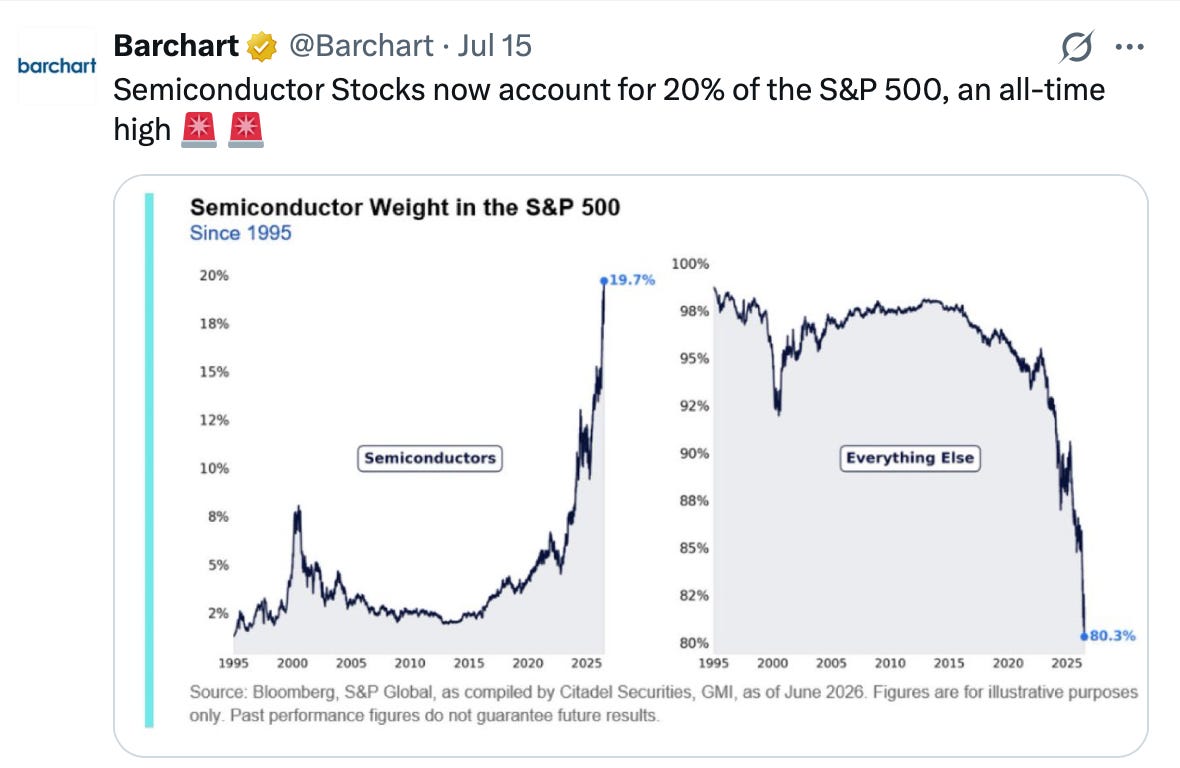
Stock market concentration is around all-time highs too. Ten stocks account for 39.13% of the index, and semiconductors about 20%.
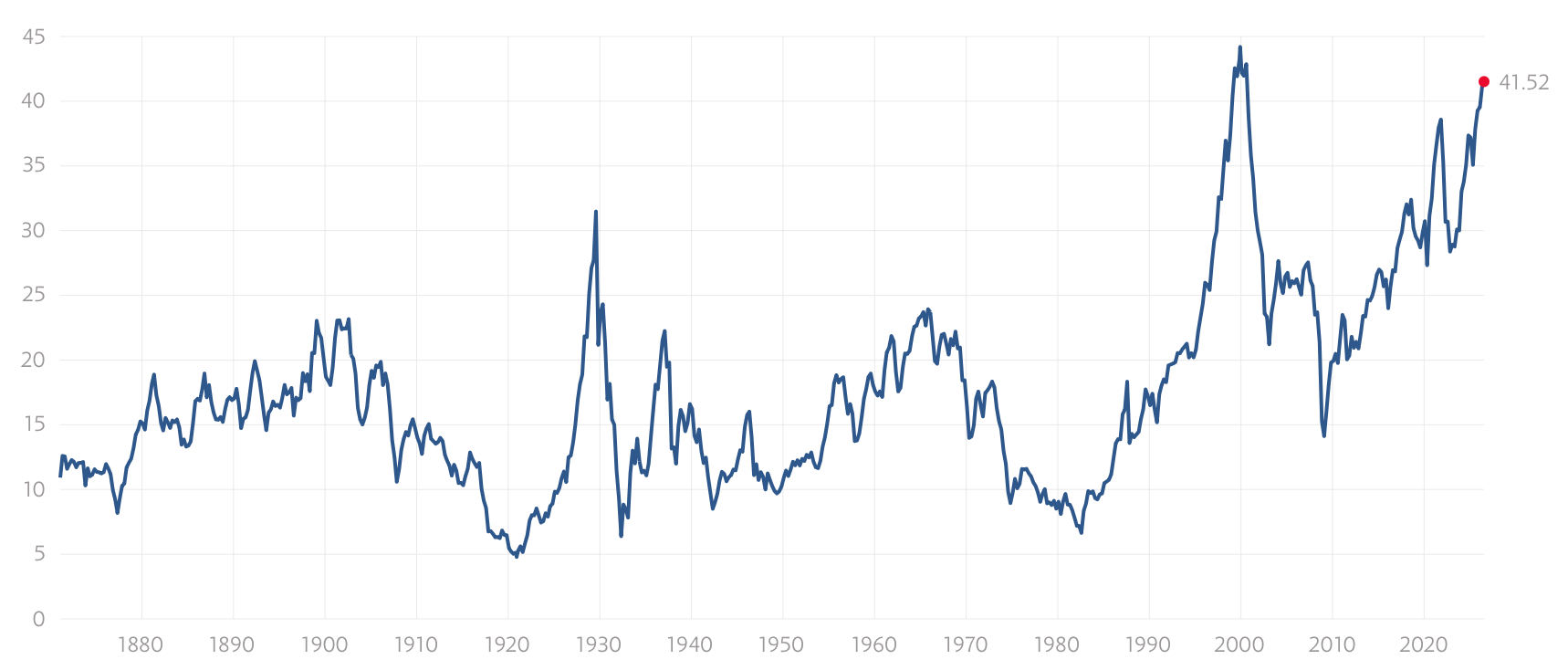
Stock market valuations are near all-time highs. Shiller is at 41.52.
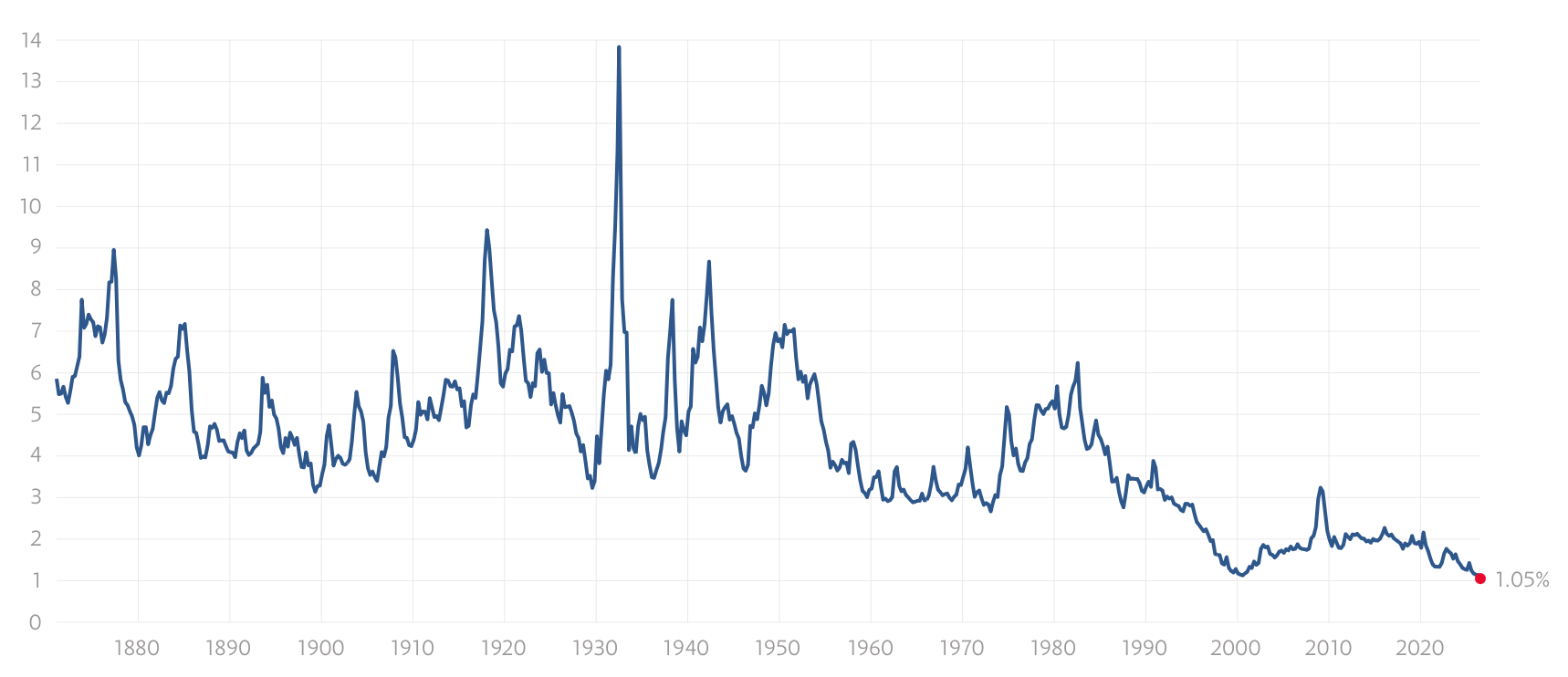
S&P 500 dividend yield is at an all time low of 1.05%.
If private defaults increase, equity valuations will decrease, and the wealthy will reduce spending. Consumer spending is 67.9% of GDP.

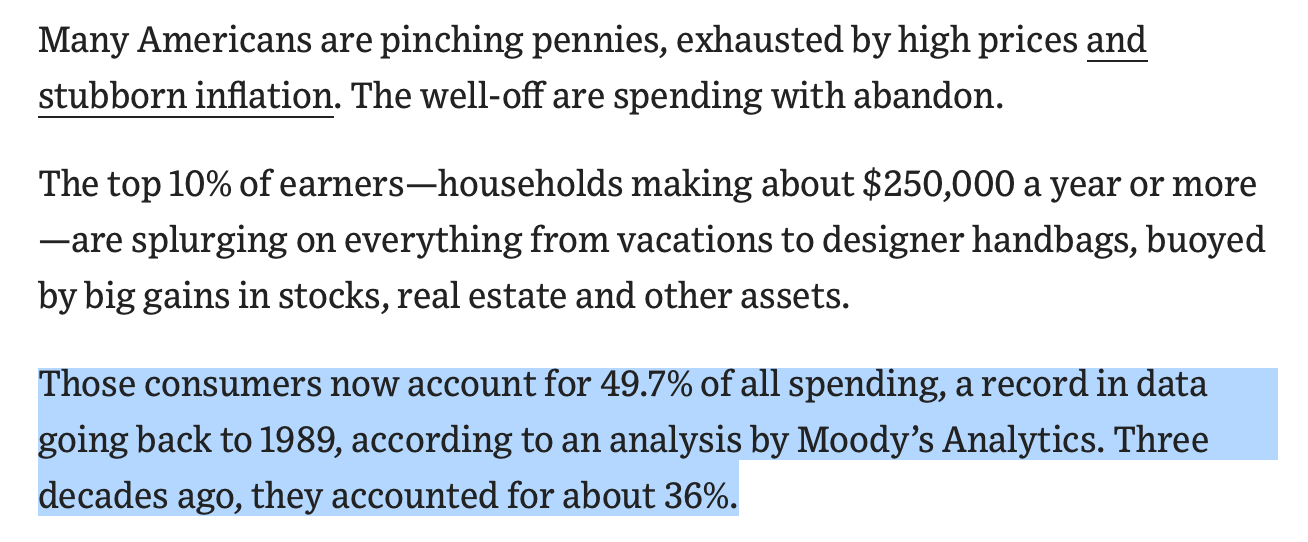
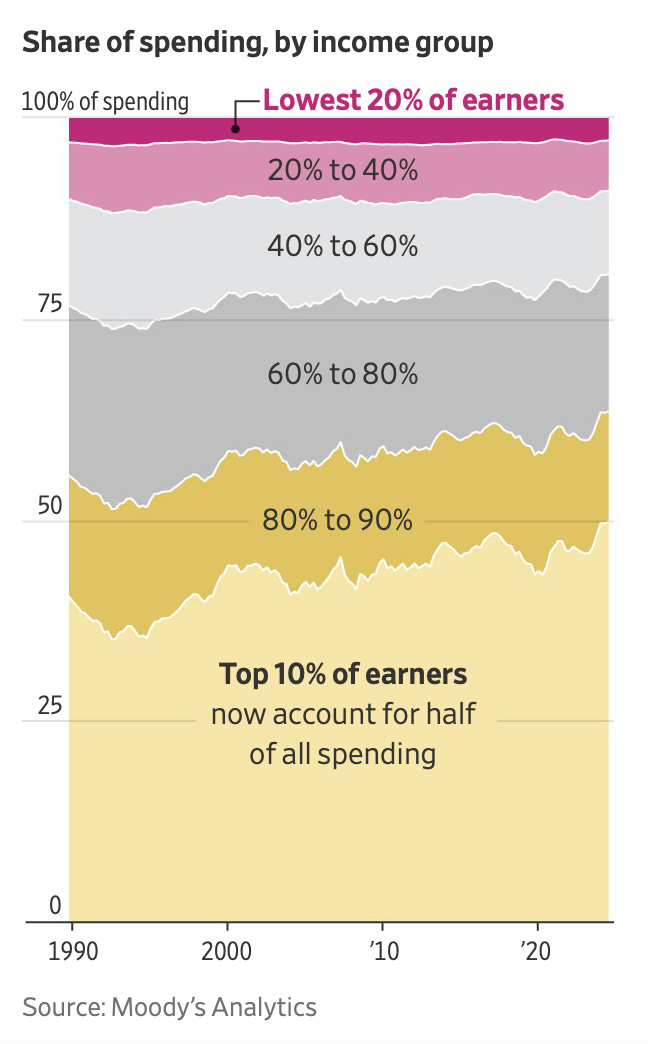

“A few months ago, with the market surging, Rick Wichmann watched his investment portfolio balloon in value. The 67-year-old retired consultant sold his Toyota and leased a new Tesla. After one of the air-conditioning units in his Brookline, Mass., home broke, he decided to replace the whole property’s HVAC system this fall at a cost of $72,000.
When stocks fell last week, he spoke to his financial adviser, who added some options to protect against declines. But Wichmann is staying in the market and doesn’t plan to cut back on spending.
‘I’m fairly bullish about the economy,’ Wichmann said.”
“Investors’ rosy feelings about having a lot more money—at least on paper—are powering spending on restaurant meals, business-class airline tickets, home improvement and more, keeping the broader economy humming.”
“Depending on market conditions, the gains could disappear in a moment. But looking at their portfolio makes people feel good about the state of their finances and the economy more broadly, so they’re more willing to spend more.”
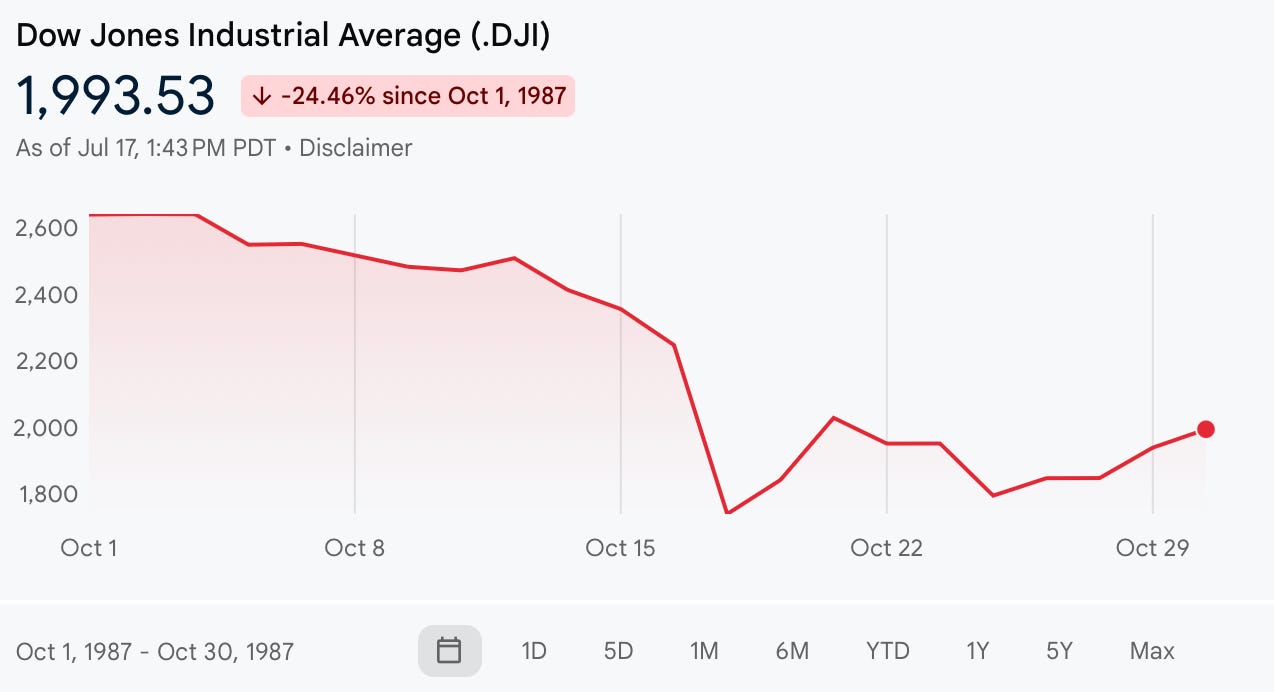
“In the United States, the DJIA crashed at the opening bell and eventually finished down 508 points, or 22.6 percent. ‘There is so much psychological togetherness that seems to have worked both on the up side and on the down side,’ Andrew Grove, chief executive of technology company Intel Corp., said in an interview. ‘It's a little like a theater where someone yells ‘Fire!’”(Glaberson 1987).