
Modifying Mr. Market

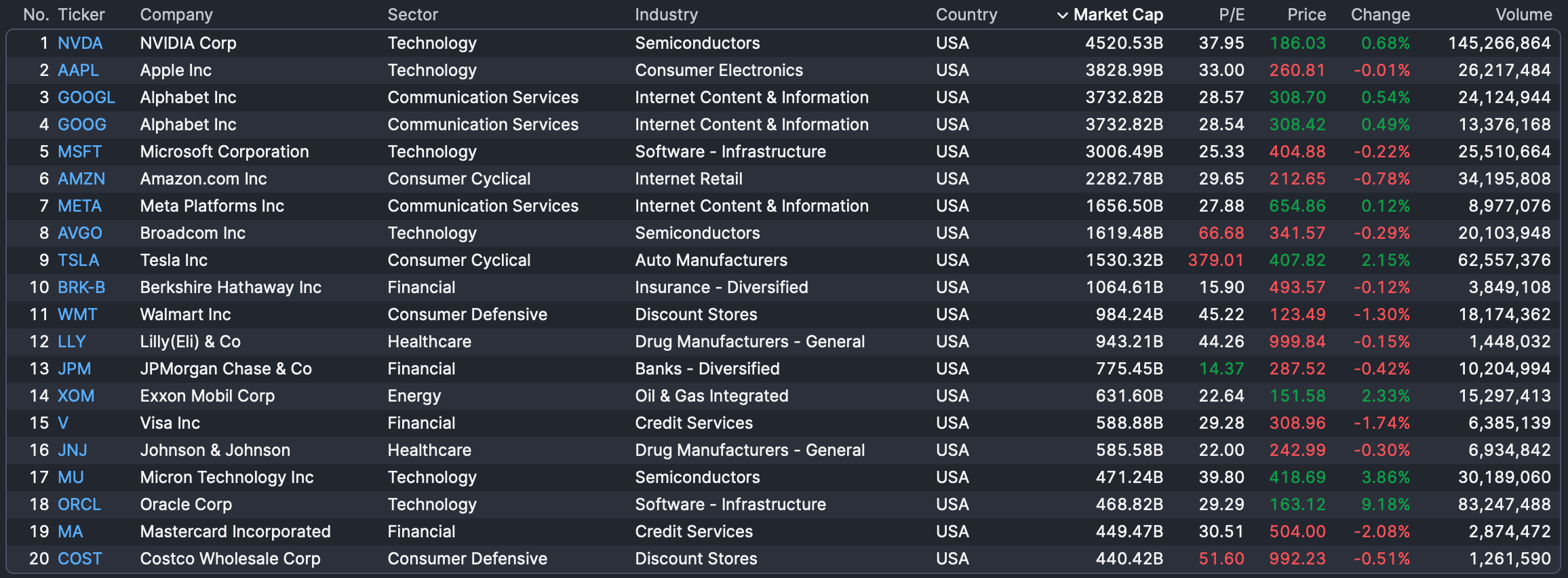
“There has indeed been a strong intimation in this article that the DJIA and the S&P Indexes are now selling too high in relation to many issues now purchasable at low P/E ratios. If this view is correct any competent analyst has an excellent present opportunity to earn his pay by recommending desirable substitutes for certain companies in these averages.” – Benjamin Graham in “The Future Of Common Stocks”
Instead of writing about the stock market’s overvaluation, I’ll try to wring out some speculation. Though it’s necessary to first understand why Graham felt this was a productive thing to do. His article mentioned above was published in the fall of 1974, when a hair-curling bear market was bottoming out.
The S&P 500 collapsed from 118 in January 1973 to 67 in December 1974, a 43% decline in 23 months. Speculators finally paid the price for paying any price, and Wall Street was disgusted with stocks again. Graham, of course, saw this storm brewing a year prior, as detailed in chapter three of “The Intelligent Investor”.
“We think the investor must be prepared for difficult times ahead – perhaps in the form of a fairly quick replay of the 1969-1970 decline, or perhaps in the form of another bull-market fling, to be followed by a more catastrophic collapse.”
After this prescient and timely warning, Graham mentioned that institutions would likely become increasingly aware that they can’t do better than the stock market averages unless they have better than average analysts.
He believed this realization would have them “using the S&P 500 or 425 lists as actual portfolios” and that if this proved true, “clients may find themselves questioning the standard fee most of them are paying financial institutions to handle these investments.”
Graham was right again. John Bogle’s Vanguard was founded about half a year after Graham’s speech, and in 2019, for the first time, assets in passive U.S. equity funds surpassed those in active funds. Graham also suggested that analysts could modify the indices with substitutions, though “only on a persuasive showing that the issues substituted had distinctly more intrinsic value per dollar of price than ones to be dropped.”
He felt this “would leave more leeway for the work of financial analysts” and that “combined with fairly heavy accountability for the results of such departures from the original list, such a program might well improve the actual performance. In any case, it would give the financial analysts’ profession something to do.”
Today, wealth managers are doing the opposite, selectively substituting based on intrinsic value. They’re using the “core-satellite” model, allocating some 70% of their clients’ portfolio to a low-cost index fund and adding individual stocks, sector ETFs, “themes”, or alternatives like private credit to fill the rest. Nearly all of the satellite portions fail to outperform over a decade as well. Fees are usually a percentage of assets, typically around 1%.
In the investing world, Graham’s index fund modification approach is nonexistent, probably because the index dilutes excess returns. More stocks mean a higher chance of underperformance. Diversification is a protection against ignorance. Buffett would not like this strategy. It also sounds unexciting.
Nevertheless, it’s an investment approach originally proposed by the father of value investing, and that is exciting. This will be a fun exercise.